Understanding IA +18: Foundations of Creative AI
As we stand on the precipice of a new era in digital creation, IA +18 represents a pivotal shift in the capabilities of creative artificial intelligence. While many may still grapple with the intricacies of this technology, its application is rapidly expanding across various industries, transforming the way we conceive and produce art, design, and media. Understanding IA +18 not only empowers creators but also shapes the future of artistic expression, challenging conventional wisdom and redefining creative boundaries.
What is IA +18?
IA +18 refers to an advanced class of artificial intelligence technologies specifically designed for creative applications. This concept encompasses a range of tools and software that enable artists, designers, and content creators to leverage AI in generating visual art, music, and literature. The term "IA" stands for "Intelligent Art" or "Intelligent Assistant," emphasizing the collaborative nature of these systems when utilized by human creators. The "+18" denotes a maturity in the technology, suggesting an evolution beyond basic generative models to incorporate more sophisticated, context-aware, and nuanced capabilities.
Importance of IA +18 in Digital Creation
The emergence of IA +18 holds significant implications for the landscape of digital creation. By harnessing the power of AI, creators can enhance their workflows, streamline repetitive tasks, and unlock new avenues of creativity. For instance, artists can utilize IA to explore unique styles or generate complex imagery that might traditionally require extensive manual labor. Moreover, when exploring options, ia +18 provides comprehensive insights into the effective implementation of these tools, ensuring that creators maximize their potential while maintaining control over their artistic vision.
Common Misconceptions about IA +18
Despite its promising advantages, IA +18 is often surrounded by misunderstandings. One prevalent misconception is that IA can completely replace human creativity. In reality, these tools are designed to augment human capabilities, not replace them. Additionally, some fear that reliance on IA might lead to homogenized creative outputs; however, with proper utilization, IA can foster individuality and innovation by providing a broader spectrum of ideas and inspirations.
Exploring the Best Tools for IA +18 Projects
As IA +18 continues to evolve, numerous software and platforms have emerged to support creators in their artistic endeavors. Selecting the right tools can significantly enhance your creative workflow and output quality.
Top Software for Creative AI Workflows
Among the myriad of tools available, several stand out for their capability and user-friendliness:
- Runway ML: A platform that offers an array of AI tools tailored for creative professionals, enabling them to create stunning visuals, videos, and interactive media.
- Daz 3D: Ideal for 3D artists, this software leverages IA to assist in character modeling and animation, providing a robust suite of features.
- Artbreeder: This innovative platform allows users to blend different artistic elements, generating new and unique images through collaborative AI.
Integrating AI Tools into Your Creative Process
Integrating IA +18 tools into your existing workflow requires a strategic approach. Begin by identifying repetitive tasks or processes that could benefit from AI assistance. Implement tools that complement your strengths and address your weaknesses, ensuring a seamless transition. Further, continuously experiment with different features to discover new creative possibilities.
Evaluating Performance Metrics for Success
To gauge the effectiveness of IA +18 in your projects, establish clear performance metrics. Analyze factors such as efficiency gains, quality of output, and user satisfaction. Regular feedback loops will help you iterate on your processes and adapt to the evolving capabilities of IA technologies.
Best Practices for Engaging with IA +18
Adopting best practices when working with IA +18 can significantly enhance your creative output while maintaining your unique artistic voice.
Effective Strategies for Creative Collaborations
Collaboration between human creators and AI can yield remarkable results. Engage actively with the technology, providing feedback and direction to shape the output to align with your vision. Foster a culture of experimentation within your creative team, encouraging members to explore various ways to utilize IA for innovative solutions.
How to Approach AI in Art and Design
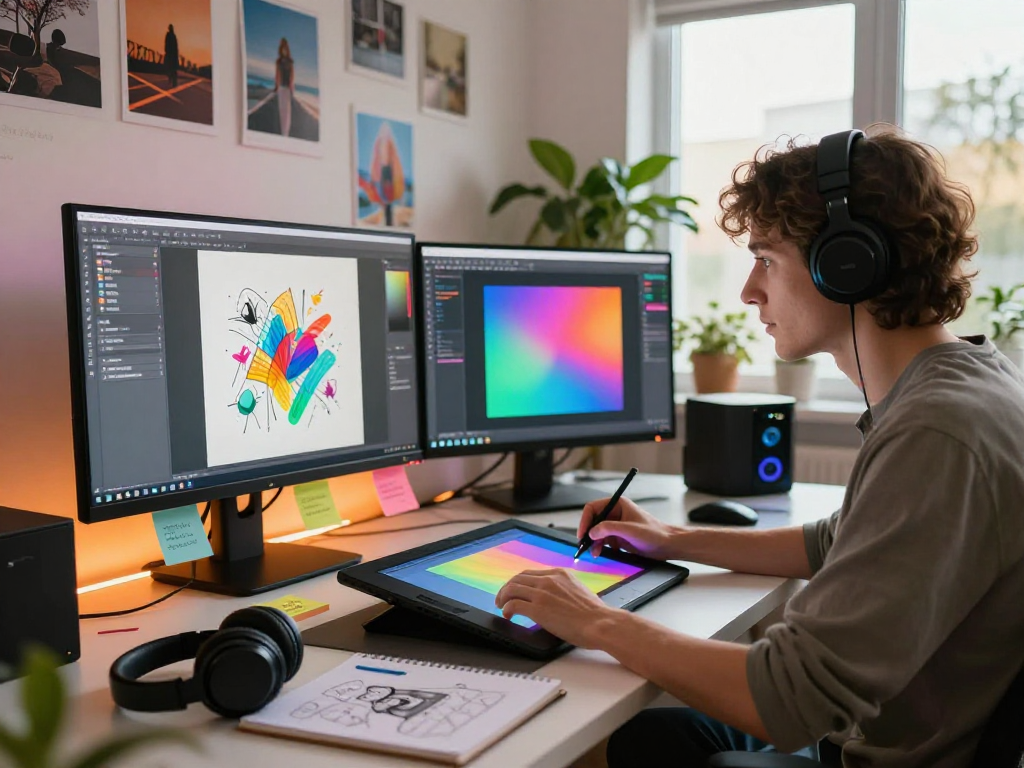
When integrating AI into art and design, it's essential to maintain a human touch. Use AI-generated outputs as a foundation for further refinement and personalization. Blend human intuition with AI's computational strength to push the boundaries of what is artistically possible.
Maintaining Authenticity in AI-Generated Work
While leveraging IA +18 tools, authenticity remains paramount. Ensure that your personal style is reflected in the final output. Transparency with your audience about the role of AI in your work can foster a deeper connection and appreciation for your creative process.
Real-World Applications of IA +18 in Creative Fields
The applications of IA +18 span various creative fields, showcasing its versatility and transformative potential.
Case Studies: Successful IA +18 Projects
Numerous creative professionals have embraced IA +18 to produce groundbreaking work:
- Artificial Imagination: A collaborative project where artists utilized AI to create a series of artworks that challenged human perceptions of creativity.
- AI Composers: Musicians have begun using AI to assist in composing original music pieces, allowing for a fusion of human emotion and algorithmic precision.
- Fashion Design: Designers are employing AI to predict trends and generate new garment designs, revolutionizing the fashion industry.
Emerging Trends in the IA +18 Space
As IA +18 gains traction, several trends are emerging in the creative arena:
- Interactive AI Art: Artists are creating immersive experiences where audiences can interact with IA-generated art, creating a dynamic dialogue.
- Personalized Content Creation: Businesses are using AI to generate personalized marketing materials, enhancing engagement through tailored messaging.
Industry Insights from IA +18 Experts
Industry experts emphasize the importance of adapting to the evolving landscape shaped by IA +18. Continuous learning and experimentation are vital for staying ahead in this fast-paced environment. Networking with other professionals in the field can provide invaluable insights and foster collaborative opportunities.
Future of IA +18: Trends to Watch in 2026
As we look toward the future, the landscape of IA +18 will continue to transform, presenting new challenges and opportunities for creative professionals.
Predictions for the Next Evolution of IA +18
By 2026, we can expect significant advancements in the capabilities of IA +18. Predictive analytics will play a crucial role in understanding audience preferences, leading to more tailored and impactful creative outputs. Furthermore, as technology becomes more accessible, a wider array of creators will leverage IA, enriching the creative ecosystem.
Preparing for Changes in Creative Industries
To prepare for these changes, creatives should focus on developing a hybrid skill set that combines technical proficiency with traditional artistic skills. Embracing lifelong learning and staying updated on industry trends will be essential to thrive in the future creative landscape.
Adapting Your Skills to New IA +18 Technologies
As IA +18 technologies evolve, so must our skills. Familiarize yourself with the latest tools and platforms, and take time to experiment with their features. Online courses and workshops can provide valuable knowledge and help you stay competitive in the rapidly changing creative environment.
What are the ethical implications of IA +18?
The rise of IA +18 brings forth a myriad of ethical considerations. Issues such as authorship, copyright, and the potential for bias in AI algorithms necessitate a thoughtful approach. Creators must navigate these challenges while ensuring that their use of AI aligns with their values and ethical standards.
How can IA +18 enhance artistic expression?
IA +18 opens new avenues for artistic expression, allowing creators to explore concepts and techniques that were previously unattainable. By collaborating with AI, artists can experiment with forms, styles, and compositions that push the boundaries of conventional art.
What skills are essential for working with IA +18?
To excel in IA +18, creatives should cultivate a combination of technical skills, such as familiarity with software tools, and soft skills, like critical thinking and adaptability. A keen understanding of AI principles will also enhance collaboration between humans and machines.
How is IA +18 reshaping traditional art forms?
IA +18 is influencing traditional art forms by introducing new techniques and mediums. Traditional painters may incorporate digital tools into their workflows, while musicians can blend acoustic and electronic sounds, creating a hybrid art form that reflects the intersection of technology and creativity.
What tools can best support IA +18 designers?
IA +18 designers can benefit from a range of supportive tools, including:
- Adobe Creative Suite: Industry-standard software offering extensive features for design, illustration, and video production.
- DeepArt: An application that allows users to transform images into artworks using AI algorithms.
- TensorFlow: A crucial framework for developing AI applications, empowering designers to create custom models tailored to their unique artistic needs.