
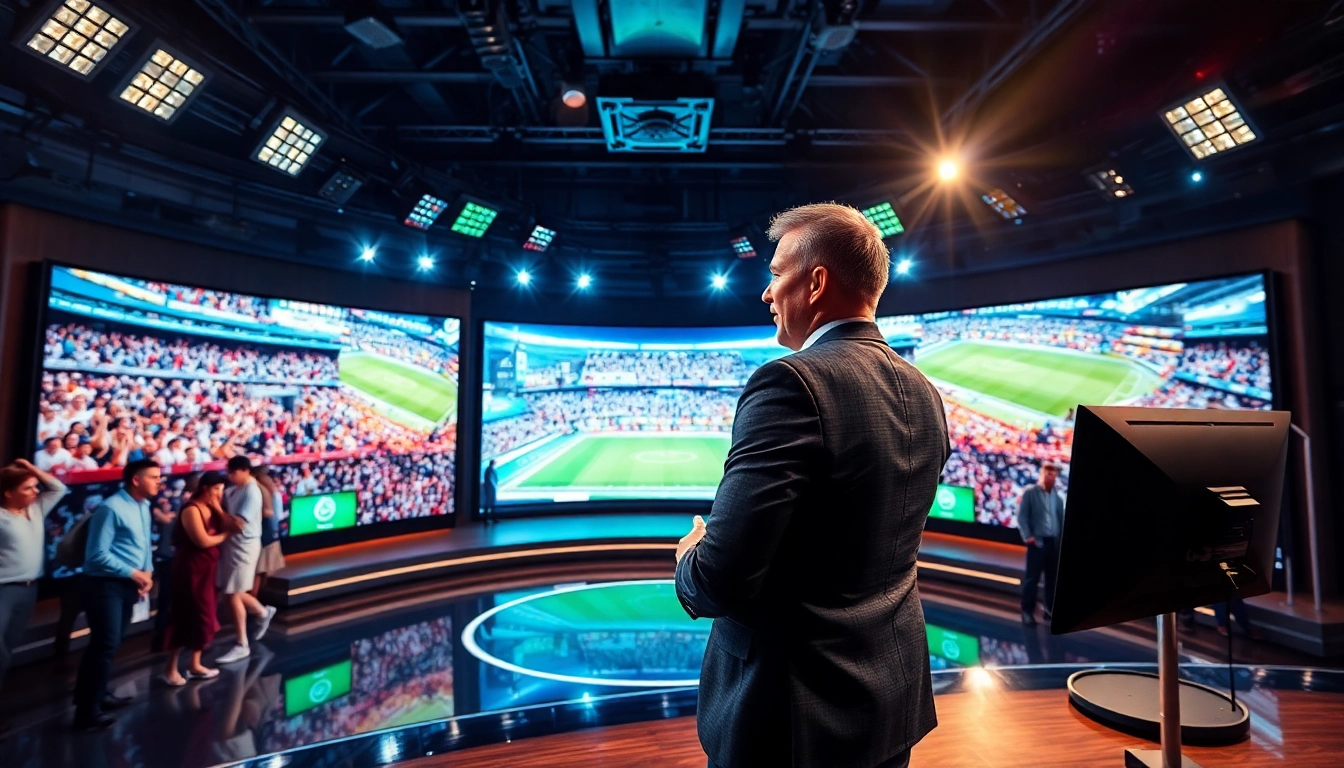
Introduction to Sports Broadcasting
In today's fast-paced digital world, Sports Broadcasting has evolved into a multifaceted industry that encompasses various platforms and technologies. Whether it's a thrilling live match viewed on television or an engaging recap on social media, the art of sports broadcasting plays a crucial role in bringing sports events to the audience. Understanding the intricacies of sports broadcasting not only highlights the technological advances but also underscores the importance of audience engagement in this fiercely competitive landscape.
Understanding Sports Broadcasting Basics
At its core, sports broadcasting refers to the transmission of live or recorded sports events through various media platforms, including television, radio, and online streaming. This field encompasses several key elements, including commentary, analysis, and promotional content. Broadcasters are responsible for delivering high-quality coverage that appeals to sports fans while keeping them informed, entertained, and engaged.
The Evolution of Sports Broadcasting
Sports broadcasting has undergone a significant transformation over the decades. Initially, events were covered via radio broadcasts, allowing enthusiasts to follow their favorite teams and athletes without visual support. As television technology advanced, the experience of watching sports evolved, introducing visuals, color commentary, and instant replays. In recent years, the rise of streaming services and mobile applications has further revolutionized how fans consume sports, making it more accessible than ever. This evolution reflects broader technological advancements and shifts in consumer preferences.
Importance of Audience Engagement in Sports Broadcasting
With a growing array of content options available, audience engagement has become paramount in sports broadcasting. Broadcasters must create content that not only informs but captivates the audience's attention and encourages interaction. Strategies such as live tweeting, behind-the-scenes access, and interactive polls can enhance viewer participation and create a loyal following. Ensuring that audiences feel connected to the broadcasts is essential for maintaining viewer loyalty and attracting new fans.
Key Components of Sports Broadcasting
Essential Equipment for Sports Broadcasting
To deliver an engaging sports broadcast, various pieces of equipment are essential. Cameras, microphones, and broadcasting software comprise the backbone of any sports coverage. High-definition cameras capture the action from multiple angles, while microphones ensure clear audio from commentators and athletes. Additionally, broadcasting software aids in editing, live streaming, and graphics integration. Proper equipment plays a vital role in enhancing the overall viewing experience.
Role of Technology in Enhancing Sports Broadcasting
Technology significantly boosts the quality of sports broadcasting. Innovations such as 4K resolution, virtual reality, and augmented reality have redefined how viewers experience sports. For example, 4K technology provides extraordinarily detailed imagery, allowing fans to see every moment clearly. Meanwhile, virtual and augmented reality technologies make for immersive experiences, where viewers can engage with the action as if they were present at the event. This integration of technology not only elevates the quality of broadcasts but also meets the increasing expectations of tech-savvy audiences.
Content Creation Strategies for Sports Broadcasting
Effective content creation strategies are crucial for any sports broadcaster aiming to stand out. Unique approaches include in-depth analysis segments, player interviews, and nostalgic retrospectives on historical events. These not only provide fans with valuable insights but deepen their emotional connection to the sport. Furthermore, leveraging social media platforms allows for real-time interactions, helping broadcasters to tailor their content to audience preferences and trending topics.
Challenges in Sports Broadcasting
Overcoming Technical Difficulties
Technical difficulties can pose significant challenges in sports broadcasting. Equipment failures, connectivity issues, and software malfunctions can disrupt live events, leading to viewer dissatisfaction. To mitigate these risks, broadcasters should conduct regular equipment maintenance and rehearsals, ensuring that staff are well-trained and sound checks are performed beforehand. Investing in backup systems and redundancy plans also provides a safety net in case of unexpected difficulties.
Legal and Ethical Concerns in Sports Broadcasting
Broadcasting sports involves various legal and ethical challenges, including copyright issues, broadcasting rights, and maintaining fair coverage. Broadcasters must adhere to strict regulations regarding the use of copyrighted material, such as logos, music, and highlights from other sources. Moreover, ethical responsibilities demand that broadcasters present information accurately and avoid biased reporting. Ensuring compliance with these legal parameters is fundamental to maintaining credibility and reputation.
Maintaining Audience Retention in Competitive Markets
In competitive media markets, retaining audience attention can be a formidable challenge for sports broadcasters. With the proliferation of content available on multiple platforms, it’s imperative to innovate continuously. This could involve leveraging unique pitches, presenting exclusive stories, or embracing interactive formats that allow audience participation. Broadcasters should also employ analytics to understand viewer preferences, adapting their content strategies accordingly to enhance retention rates.
Best Practices for Effective Sports Broadcasting
Utilizing Multimedia Tools to Enhance Storytelling
Multimedia tools are fundamental in enhancing storytelling in sports broadcasting. Graphics, animations, and video highlights can make broadcasts more captivating. For example, using graphics to summarize player statistics during a game can provide real-time context without interrupting the flow. Additionally, incorporating video montages of pivotal moments helps create an emotional backdrop that resonates with viewers.
Effective Communication Techniques for Presenters
Presenters play a crucial role in sports broadcasting, as their communication skills can determine the broadcast's effectiveness. They must convey information clearly and engagingly while maintaining a personable presence. Practicing active listening and encouraging viewer interaction can further enhance communication. Additionally, understanding the audience's demographics allows presenters to adjust their messaging to resonate with different groups, deepening viewer engagement.
Building a Strong Online Presence for Sports Broadcasting
In today's digital age, a strong online presence is invaluable for sports broadcasters. This involves maintaining active social media profiles, engaging with followers, and sharing compelling content beyond traditional broadcasts. Having a robust website that includes detailed schedules, analysis, and an archive of past broadcasts can also attract a loyal audience. By optimizing for SEO, broadcasters can increase visibility and drive more traffic, broadening their reach within the sports community.
Future Trends in Sports Broadcasting
Impact of Streaming Services on Sports Broadcasting
The rise of streaming services has revolutionized how sports broadcasts are consumed. Platforms that focus exclusively on live sports allow for more flexibility and convenience. This trend impacts subscription models, encouraging traditional networks to adapt their services to keep pace with changing consumer behavior. As these platforms continue to gain traction, broadcasters will need to innovate their content delivery and pay attention to viewer preferences.
Virtual Reality and Augmented Reality in Sports Experiences
Virtual reality (VR) and augmented reality (AR) are poised to redefine sports broadcasting by providing immersive viewing experiences. VR allows viewers to experience games from different perspectives, making them feel they are part of the action. On the other hand, AR offers interactive overlays of information during live broadcasts, enriching the viewer experience with enhanced data about players and statistics. As the technology matures, broadcasters will need to explore its potential fully.
Data Analytics and Personalization in Sports Broadcasting
The advent of data analytics has opened doors for personalization in sports broadcasting. By analyzing viewer data, broadcasters can tailor content recommendations and offers based on individual preferences. This can lead to a more engaged audience and increased viewer loyalty. Additionally, effective storytelling driven by data insights can enhance the quality of sports broadcasts, ensuring they resonate deeper with viewers.
FAQs
What skills are essential for a sports broadcaster?
Essential skills include communication, in-depth sports knowledge, and technical proficiency to operate broadcasting equipment and software effectively.
How has technology changed sports broadcasting?
Technology has introduced advancements such as live streaming, high-definition resolution, social media integration, and advanced analytics tools to enhance viewer experience.
What are common challenges faced in sports broadcasting?
Common challenges include overcoming technical difficulties, engaging the audience amidst competition, and navigating legal and ethical concerns around broadcasting rights.
How can broadcasters enhance viewer engagement?
Broadcasters can enhance engagement by incorporating social media interaction, creating interactive content, and offering personalized experiences based on viewer preferences.
What does the future hold for sports broadcasting?
Future trends include the rise of live streaming platforms, the integration of VR and AR for immersive experiences, and the increased use of data analytics for personalized content delivery.